

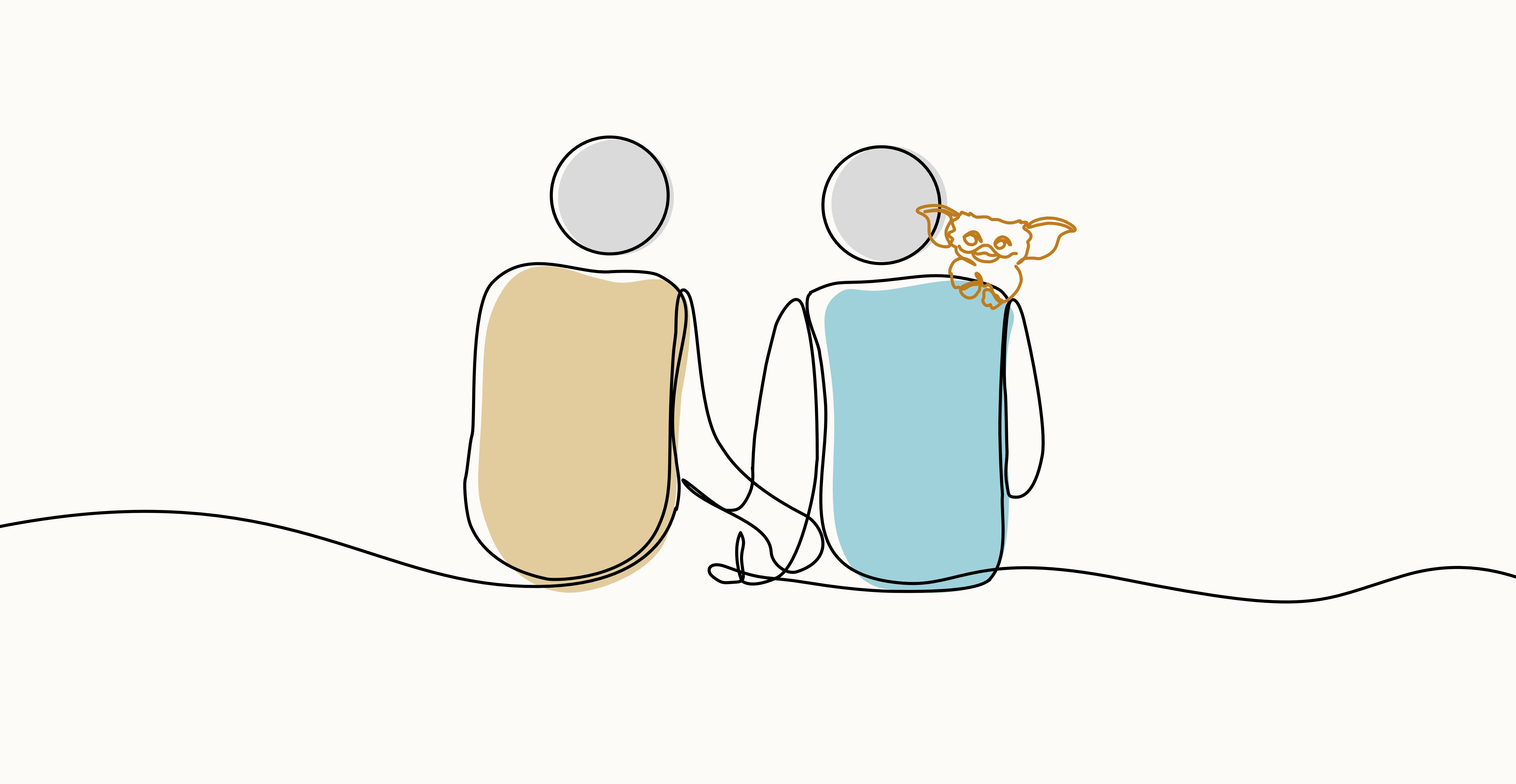
It’s 11pm. Your partner is out with someone new. They have done absolutely nothing you didn’t agree to, and yet your chest still feels tight. You meant every word when you said you wanted them to have a great time. You also want to throw your phone against the wall.
That gap between how you want to behave and how your brain and body are reacting is what this post is about.
I was not originally going to tackle this subject so soon. However, I recently gave a lightning talk about gremlin thoughts for some friends. One week later, I got the following message from an acquaintance:
[My friend] was at your party this past week and told me about Gremlin thoughts and I have to say, it has invaded my language now. I’ve shared it with my other partners and it’s now part of our vernacular. Thank you.
Knowing that a shorthand I came up with to facilitate communications for my own relationships resonated enough to start making its way through San Francisco polycules (the connected web of people in a group of non-monogamous relationships) was delightful. Since the framework is already making the rounds, I figured I would tackle it here sooner rather than later.
What are gremlin thoughts?
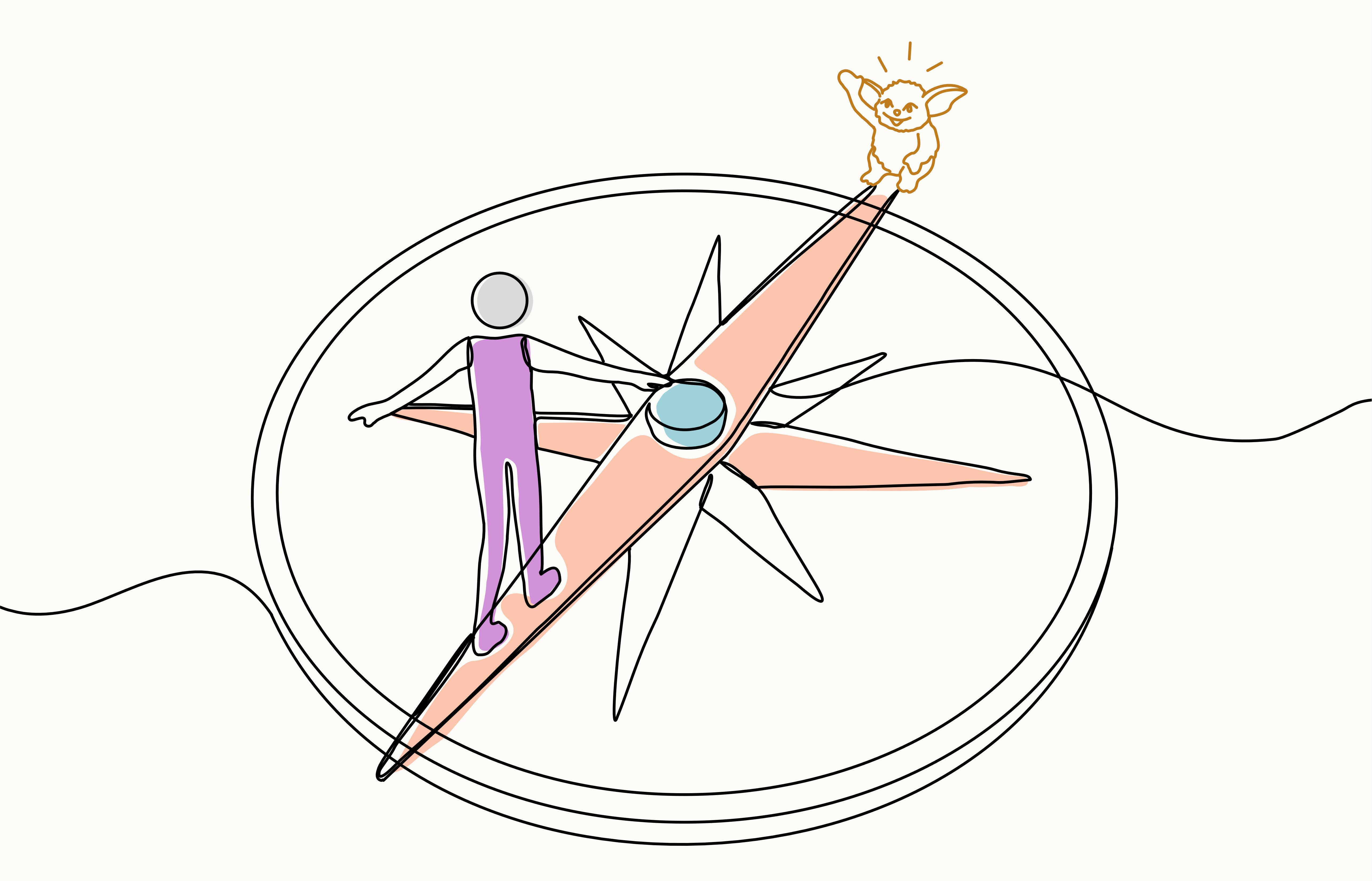
Gremlin thoughts is the name I give to thoughts, feelings, and emotions that prod me toward doing things that conflict with my values and with what I want when I’m thinking clearly. They show up when no one has done anything wrong, and I still feel bad. They are thoughts and feelings I may even feel a bit ashamed of having.
I use the label as a catch-all for thoughts, physical feelings, and emotions. When you are activated, all of these things often arrive in one big, jumbled mess, with feelings and thoughts influencing each other. Distinguishing between a thought and a feeling in the middle of a panic spike is difficult, and the difference does not matter all that much. Having one simple umbrella label saves the energy of categorizing which is which.
One way I see this come up often in polyamory is with jealousy. There can be a thought along the lines of, “If I were a good poly person, I would not be feeling this!” This is sometimes also paired with shame or embarrassment. Because we do not want to be feeling these things, there is a strong urge to keep them to ourselves. This is especially true if we do not feel the other person has crossed any boundaries.
The truth is: thoughts arrive uninvited, with no particular regard for our values or how we want to relate to others. Jealousy (or any other feeling) showing up doesn’t make someone a bad poly person (or a bad person). It just makes them a person. We can’t necessarily control our thoughts and feelings, but we can decide to take a look at them and be intentional about how we respond to them.
The occurrence of gremlin thoughts is not limited to non-monogamy. They can also come up just as often in a monogamous relationship, or with platonic friendships!
For example, a friend or partner might back out of weekend plans because they are burnt out and need rest. Logically, my values dictate that connections should be fed by a genuine desire to be there, not by obligation. I actively want to support my friends and partners cancelling and rescheduling, whether it be to recharge, or because a special event came up that they’re excited about. If I was really looking forward to those plans, my body might still serve up some feelings. I can simultaneously feel good about them honoring their boundaries and doing what’s best for them while my body and mind produce gremlin thoughts.
Diagnosing gremlin thoughts
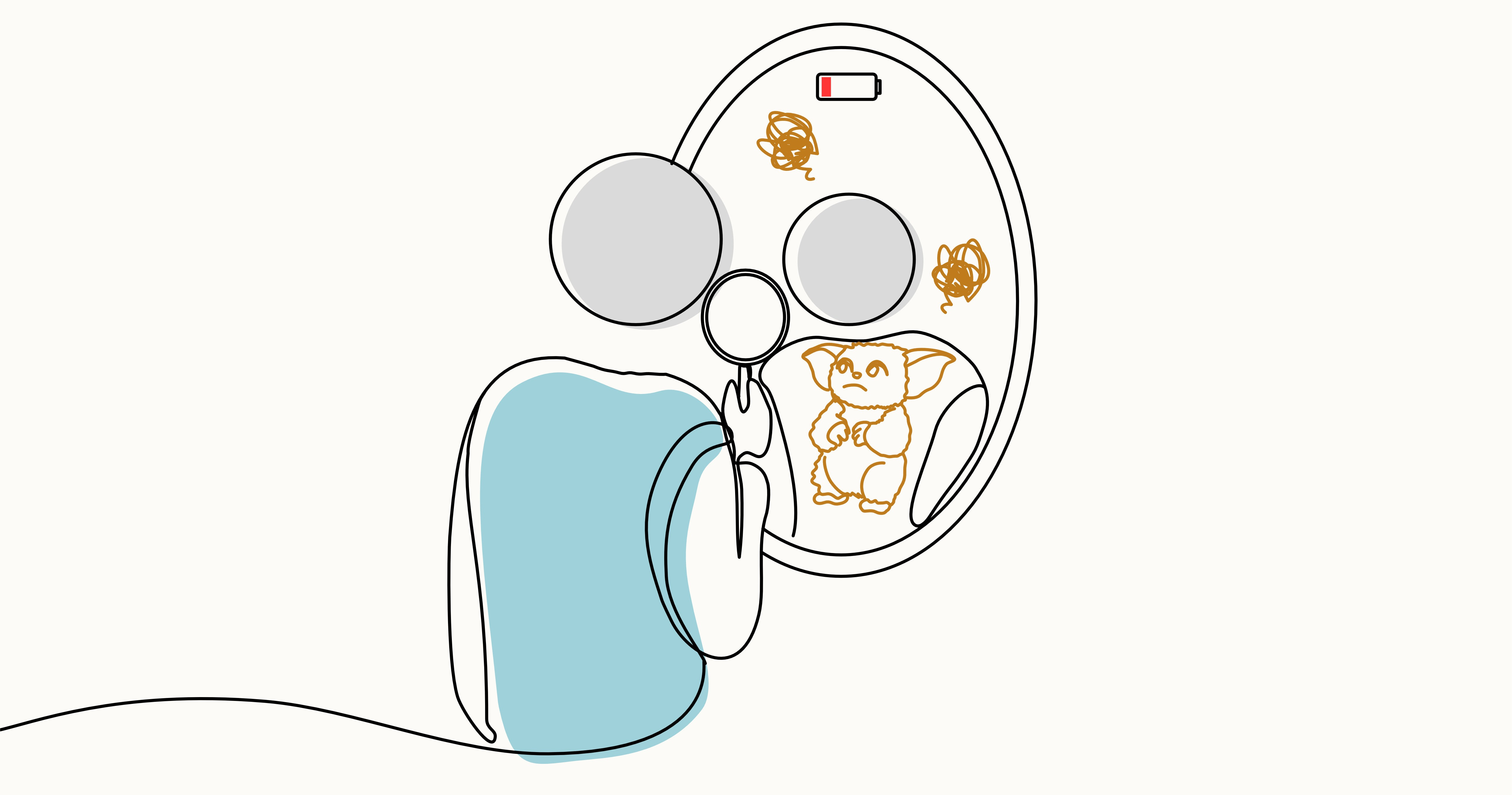
When you are in the thick of a panic response, it is easy to let anxiety dictate the next move. Having a clear sense of values provides a necessary anchor in these moments. [See values-aligned action over emotional reactivity].
Here are some questions you could ask yourself to determine if you are dealing with gremlin thoughts:
Am I physically or emotionally depleted right now? Physical exhaustion or burnout can make it much harder to stay regulated.
Does this reaction align with how I would feel about the situation if I were completely calm? This helps isolate whether the distress is coming mostly from adrenaline.
What is this feeling asking me to do? And do I want to do it? If the action it’s suggesting is one you’d reject in a calm moment, you’re likely looking at a gremlin.
Is this reaction rooted in a scarcity mindset? Scarcity mindset makes everything feel urgent, like love, time, or attention are suddenly running out.
Am I feeling insecure right now? Insecurity can create a false alarm, causing the body to interpret neutral information as a threat.
Did an agreement get broken, or did a boundary get crossed?
That last question is important. If an agreement was broken or a boundary was crossed, it is not a gremlin thought. It is a legitimate relationship issue that requires a conversation. That includes boundaries you didn’t know you had until someone walked through them, and while there’s no one to hold accountable for that, it is still worth naming out loud.
Comparing your current state to a calm baseline requires having a calm baseline to compare to, and not everyone does. If those questions feel unanswerable right now, that isn’t a personal failing. It’s a skill, and it gets easier with practice and often with help.
[future topics: what are my values?; Am I angry, or am I insecure?]
What if it’s both?
Feelings aren’t always so clear-cut, and it may be a bit of both: a gremlin thought, and a signal that something is wrong or that you have an ask.
Your partner was a little careless about the scheduling, and your reaction is roughly four hundred percent larger than the carelessness warrants. Your friend did make a remark that felt bad to you, and you have not slept properly in a week.
Both can be true, and both can be named. More on how to do this a bit further on. :)
Warning: the self-blame trap
It is important to point out that this framework requires a solid baseline of self-trust and an ability to objectively view a situation. If your default internal narrative is that you are always in the wrong, searching your thoughts and emotions for gremlins can easily lead to you calling things gremlins that are not, and can be weaponized against your own self-esteem.
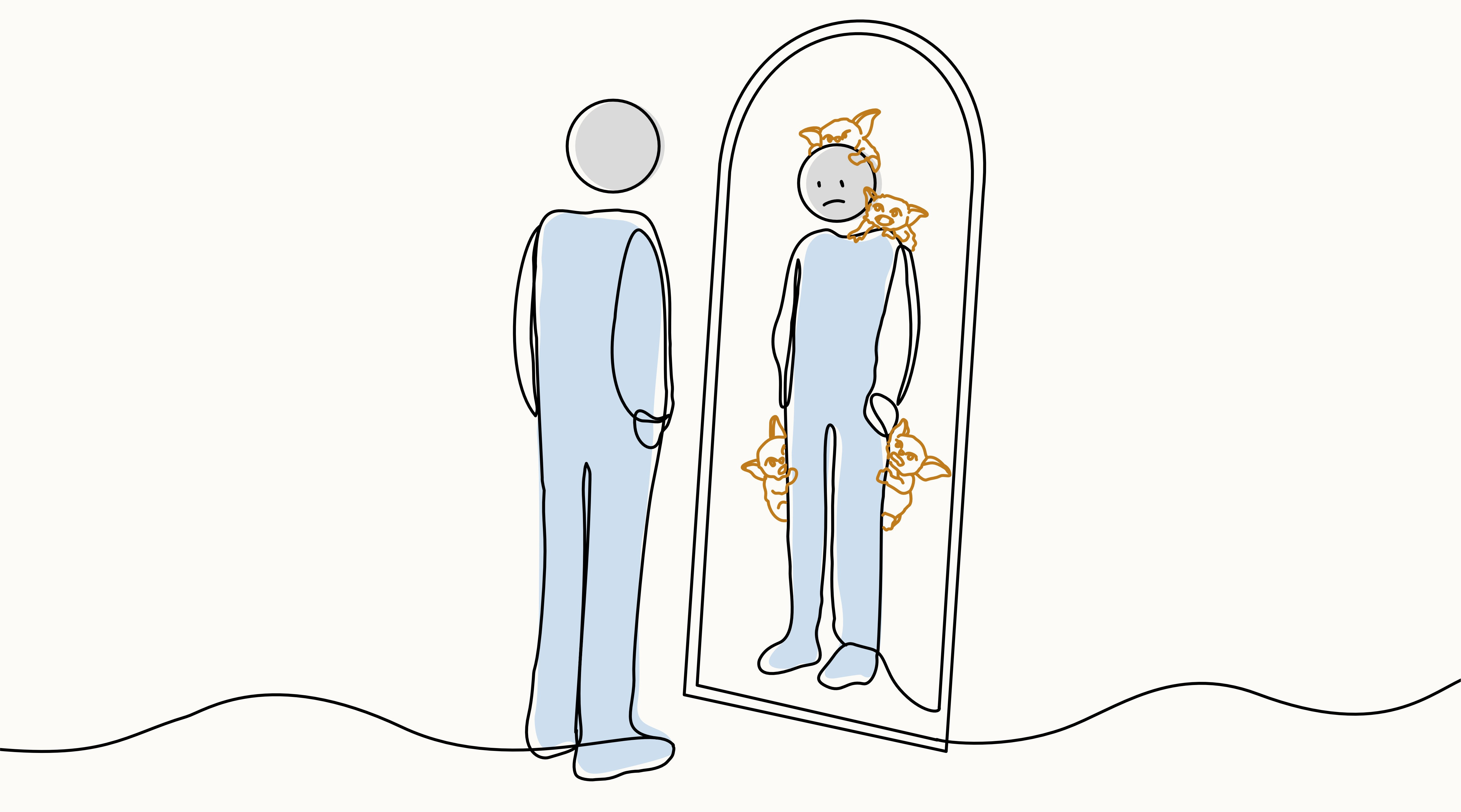
If you chronically take the blame when frictions arise, skip this post for now, and focus first on building foundational self-compassion and learning to trust your own reality. This will still be here later, and will be far more useful once you have a more solid foundation to stand on.
More on ways I imagine this framework could be misused in Handle with care .
What’s in a name: the power of a primer
In the past few years, I’ve realized that creating a shared vocabulary for difficult and nuanced concepts makes it easier for both parties to collaborate on the topic that the words help describe.
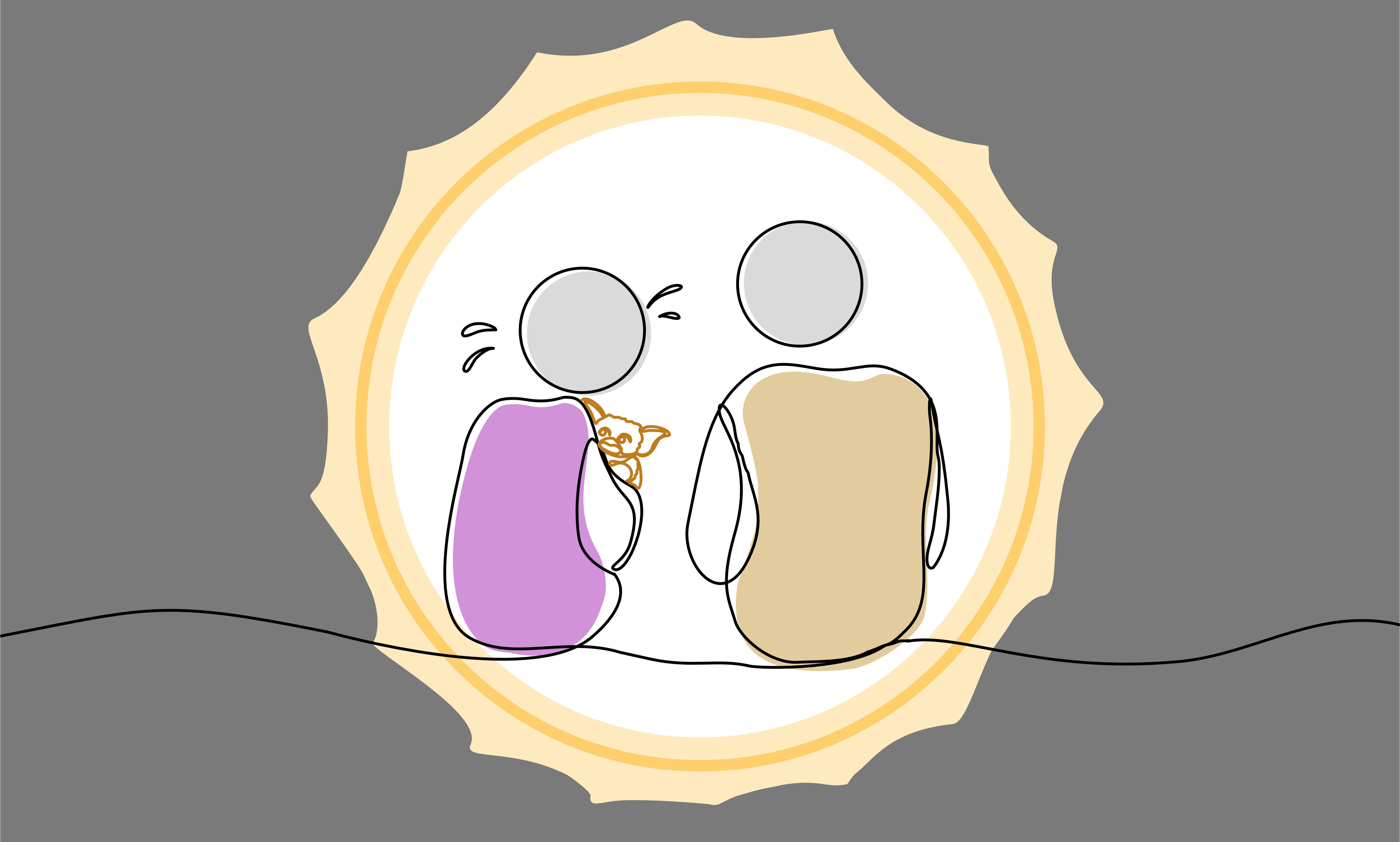
I started using the term “gremlin thoughts” because I wanted a conversational primer that would signal to my partner or friend that I was about to share something highly emotional . And because these reactions often contradict my values, I am likely embarrassed to bring them up, and sharing may feel difficult. If we’ve already established the use of gremlin thoughts and what they mean, then starting a conversation by acknowledging that gremlin thoughts are incoming helps set up a comfortable and safe container (a shared sense of what this conversation is and isn’t).
Being able to communicate all of this with just two words helps both sides of the conversation:
For the Sharer: It gives you an easy script when your brain is too activated to find the “right” words. It means you do not need to repeat the same disclaimers every time you are struggling. Instead of having to explicitly state, “I don’t think you did anything wrong,” “I am not asking you to change anything,” or “I feel ashamed of this reaction,” the label communicates all of that context instantly. It also removes the pressure to be perfectly articulate, making it much easier to speak freely.
For the Listener: It helps disarm defensiveness. It signals that the other person is sharing internal discomfort, not assigning blame or demanding that behaviors be changed. It helps the listener be ready to listen and ready to offer care instead of preparing for an argument.
Additionally, if you like the idea, but “gremlin thoughts” doesn’t quite resonate with you, then you could collaborate with your partner or friend to come up with a term that feels right for you! The phrase itself doesn’t matter so much; having a shared vocabulary is the important part.
Why share gremlin thoughts
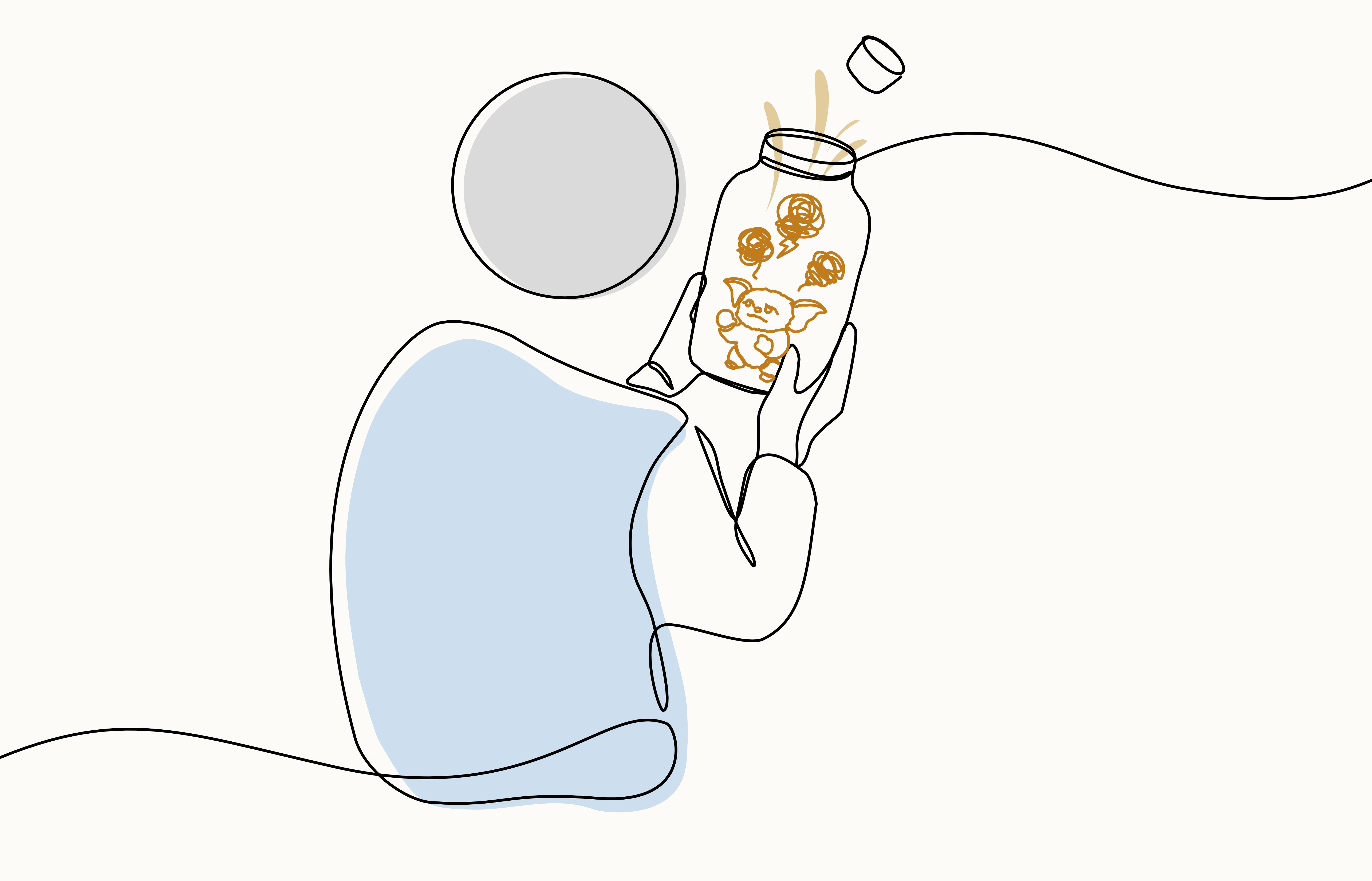
It can be very tempting to keep gremlin thoughts to yourself. If you're not asking the other person to change anything, why bring it up at all?
Sometimes, a gremlin thought is soft enough that it can settle with a bit of internal processing. But when it lingers or feels heavy, bringing it into the open is the most helpful path forward.
Bottled up too long, difficult emotions tend to curdle. It feels bad to hold them in. Plus, unexpressed frictions easily turn into resentment. That resentment inevitably bleeds out into the dynamic, often causing people to act poorly toward the exact person they were trying to “protect” from their feelings.
More importantly, hiding reality damages intimacy. As I noted in a previous post (Love without entitlement): without a baseline of honesty, we cannot be truly close to someone.
Maintaining a level of closeness with someone requires understanding what their internal reality looks like. Sharing your gremlin thoughts gives the other person the gift of transparency, and it provides them a clear opportunity to step in and offer support during a hard time.
If someone shows you they consistently cannot receive your honesty, that’s helpful information and it’s worth knowing. We can’t force others to behave in certain ways. What we get to do is decide how close we want to be to people, based on how they show up.
Real-world example: new connections during a hard time
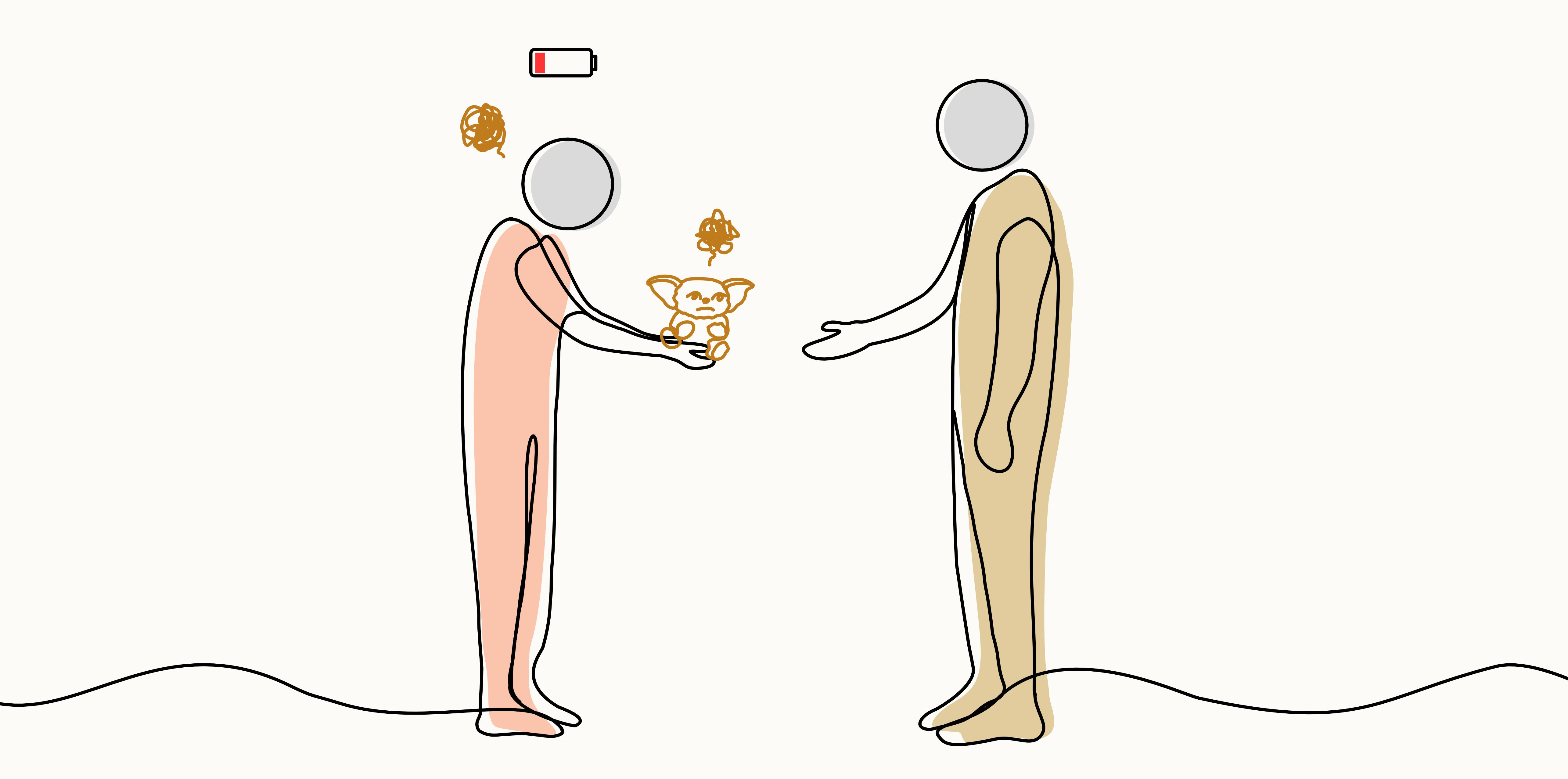
A while back, my partner Franz started seeing someone new. It was during a time when I was navigating a lot of general anxiety about other things. Everything felt harder for me during this time, and his new connection brought up a very strong surge of difficult feelings.
However, I did not think that Franz was doing anything wrong. He was being completely honest with me, and no boundaries were being crossed. One of my core values in romantic relationships is supporting my partners in being autonomous. My logical brain actively wanted to support this new connection.
Franz and I had already established the term gremlin thoughts in our shared vocabulary, so I started a conversation by telling him I had some gremlin thoughts to share.
I explained that I was struggling in general, and my exhausted brain was projecting that anxiety onto his new connection. I explicitly asked him not to take on any responsibility for these feelings, and I encouraged him to continue seeing her in the way he was excited to. Instead of asking him to change his behavior, I asked for the exact care that would be helpful: extra reassurance and extra messages of love.
See what happened next in back to the story: transparency in practice.
How to share gremlin thoughts
So, you’ve decided to share a gremlin thought. Great!
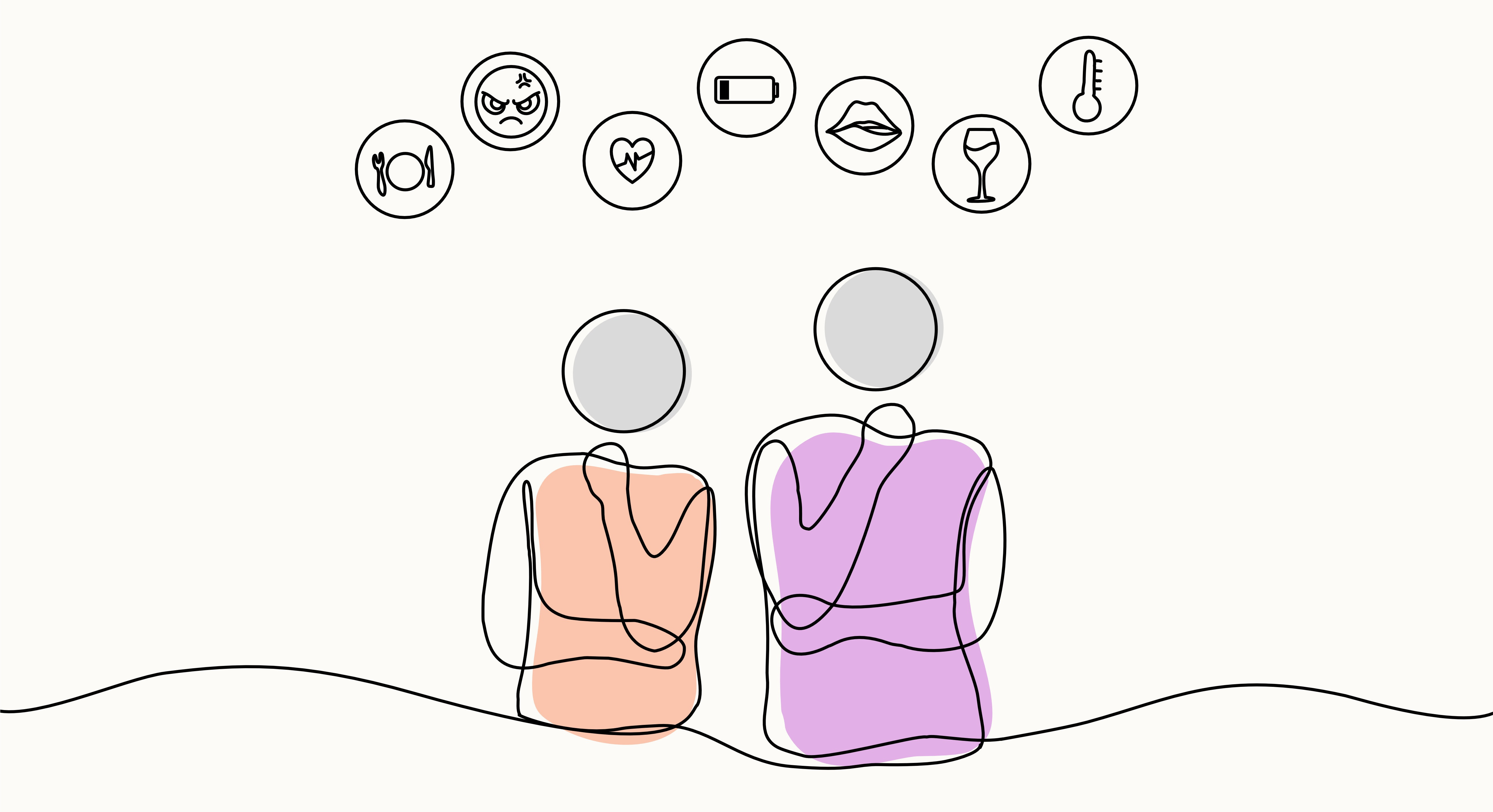
Treating difficult emotions with care takes a lot of energy. Before dropping into an emotional conversation, checking for capacity—both your own and the receiver’s. If someone just worked an all-nighter or navigated a highly stressful day, they might not have the bandwidth to engage with care. Asking if it is a good time gives them the opportunity to fully opt in to the conversation or set a specific time when they will be ready to listen.
One way to check capacity is by using the HALT acronym. Originally used in addiction recovery to help people identify the physical or emotional root of a behavioral urge, it stands for Hungry, Angry, Lonely, or Tired. The Multiamory podcast expanded this to HHALTDS to include Horny, Drinking, and Sick (though they rightly note it lacks the same catchy ring). Running through this list may help you decide if you have the resources to hold space for a vulnerable conversation.
Once capacity is established, lead with the primer: “I have some gremlin thoughts I would like to share.”
If this is the very first time introducing the concept to this person, it’s worth taking a moment to explain what you mean:
You’re bringing up an emotion, not an accusation.
You’re being vulnerable, and you’d like some patience while you find the words.
You’re not asking them to own the feeling or change their behavior to make it go away. In fact, you’re asking them not to do these things.
Once the container is set, the hard part gets much easier to say out loud.
Naming both at once
Let’s say you’ve come to the conclusion that it’s a combination of gremlin thoughts and a signal that something is wrong or something you want to ask for. When both are true, I suggest naming them both, separately and clearly.
An example:
Two things, and I want to keep them apart so they don’t get mixed up. First, the one with an ask in it: that joke about my job in front of your friends stung a little. I’d like to talk about why that felt bad and ask that you don’t make that joke anymore. Second, the gremlin: my brain spent the whole drive home building a case that you’re embarrassed by me, which I feel pretty confident isn’t true based on your past behavior. That part isn’t yours to fix, although some reassurance would help. And it would help to hear that you’re glad I shared, assuming that’s true.
Splitting them means the ask gets heard as an ask, and the gremlin gets heard as a gremlin.
Care requests
After sharing the gremlin thoughts, it helps to say what would feel good while you process. Keeping these asks simple and actionable makes a difference.
Here is a non-exhaustive list of actionable requests one could pull from when establishing what support looks like:
Can we have 15 minutes of dedicated snuggle time?
Would you send me a quick voice memo telling me a story about a time you felt really connected to me?
Would you be up for dropping random animal gifs, cute memes, or extra hearts in my chat a few times tomorrow while I am at work?
Could we do a video call before bed so we can connect and I can see your face?
Would you remind me of three things you appreciate about our dynamic right now?
Would you hold my hand or keep a hand on my leg while we watch a show tonight?
I’d also love to hear from others on this! What is your go-to reassurance request? 🤗
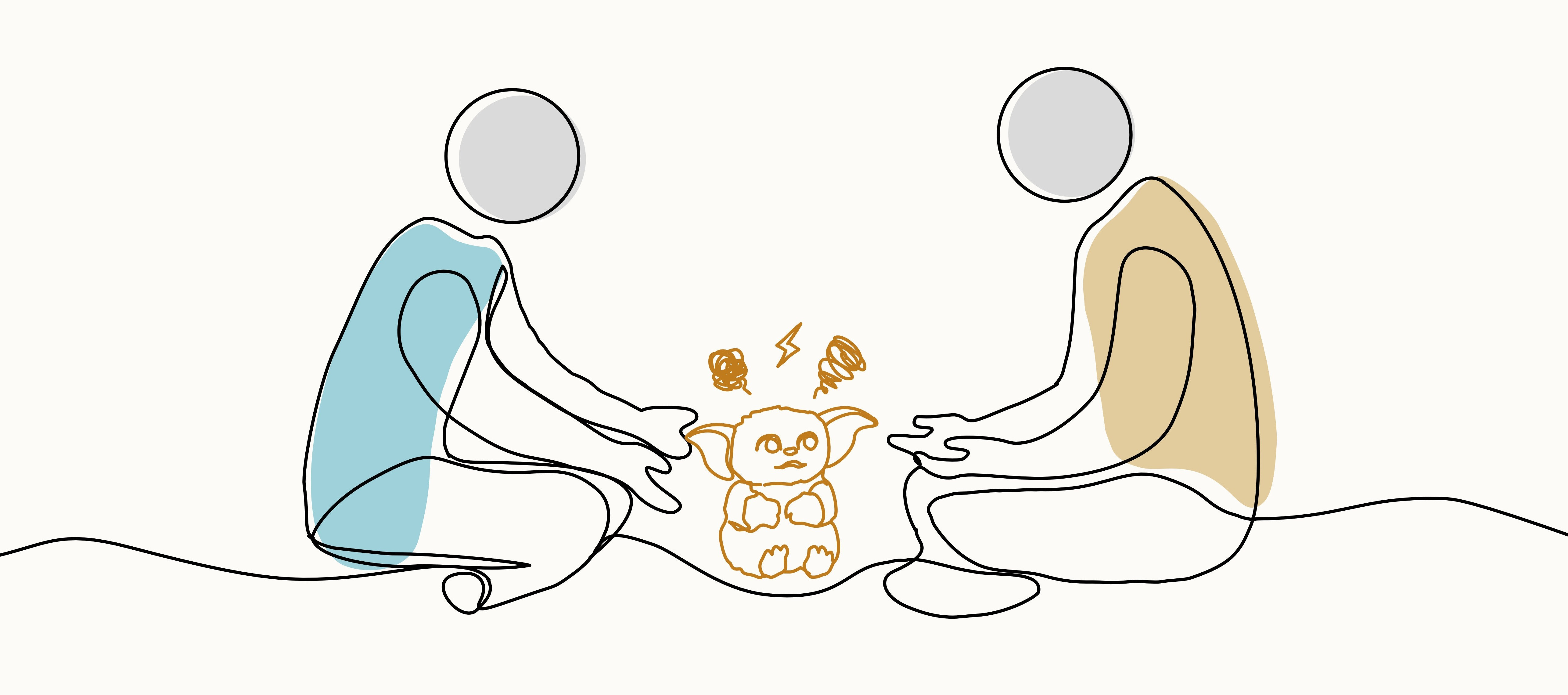
How to receive gremlin thoughts and feelings
When someone tells you gremlin thoughts are incoming, that’s your cue to run HALT (or HHALTDS) on yourself. Holding space for someone else’s hard feelings takes real effort, and it’s worth knowing whether you have resources and ability before you say yes.
If you don’t have it in you, say so. Punting the conversation is a totally fine thing to do, provided there is intent to come back to the conversation. Offering a specific time when you feel you’ll be more able (like “after dinner” or “tomorrow morning”) shows interest in having the conversation while also keeping anyone from having to push through and engage when they are depleted. Without this, it can easily feel as though the topic is being avoided.
Once the conversation begins, your job is to simply listen. And while you do this, do your best not to internalize blame or take ownership of the emotion.
After the gremlin thoughts are fully out in the open, if support has not already been requested, asking what would feel good to receive is a solid next step.
The temptation to over-accommodate or withhold the truth
It can be tempting to try and fix the discomfort by immediately offering to change behavior to make the bad feeling go away. Don’t fall into the trap!
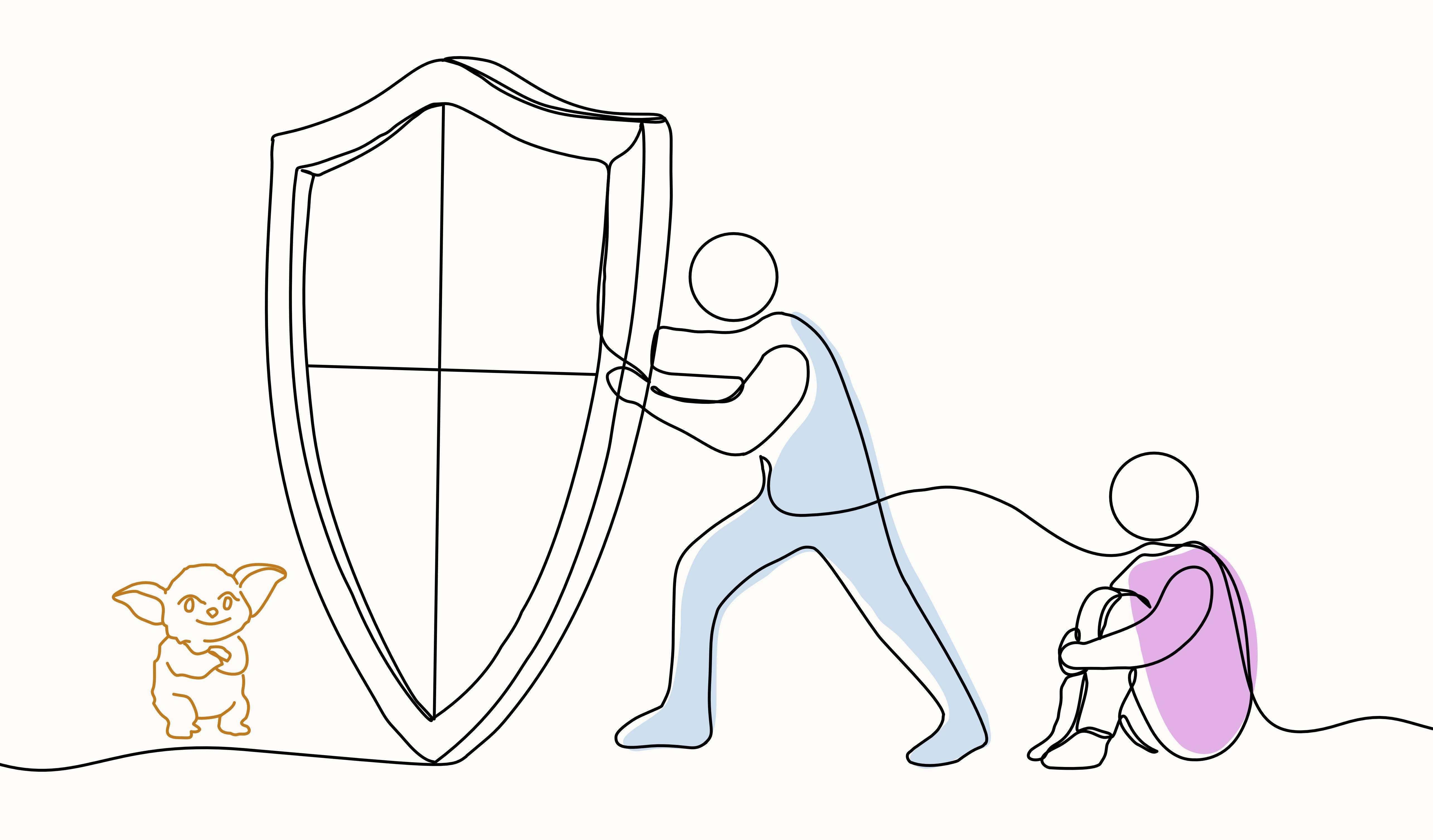
If you instantly change what you’re doing to shield someone from a bad feeling, especially when they’ve explicitly asked you not to, you’re actually making things harder for them. Shielding steals the opportunity for the person struggling to sit with the friction, self-soothe, and build emotional resilience. If you want to do something, ask what would help.
A secondary temptation is to stop volunteering information in an attempt to prevent a gremlin thought from triggering in the first place. This once again removes the opportunity for the other person to work through their discomfort, and it degrades the connection. It can make the struggling person feel even more anxious, because sensing that information is being kept from you tends to feel much worse than just hearing the information.
This is different from someone asking you to hold off on details for a bit while they recalibrate. That’s a request they made, and honoring it is fine. It’s also worth recognizing that in some poly dynamics, both partners agree to share only certain details, or to share only when asked. I feel pretty strongly that full transparency is important for continued closeness. What matters most, though, is being honest to the full extent of what was agreed upon, and not holding back, altering, or sugarcoating facts or feelings to spare your partner a hard feeling. The problem isn’t how much gets shared. It’s deciding on your own that someone can’t handle something, and never telling them you decided.
Continuing to give the gift of honesty, even when it causes temporary discomfort or difficult feelings, is what allows a connection to remain genuine.
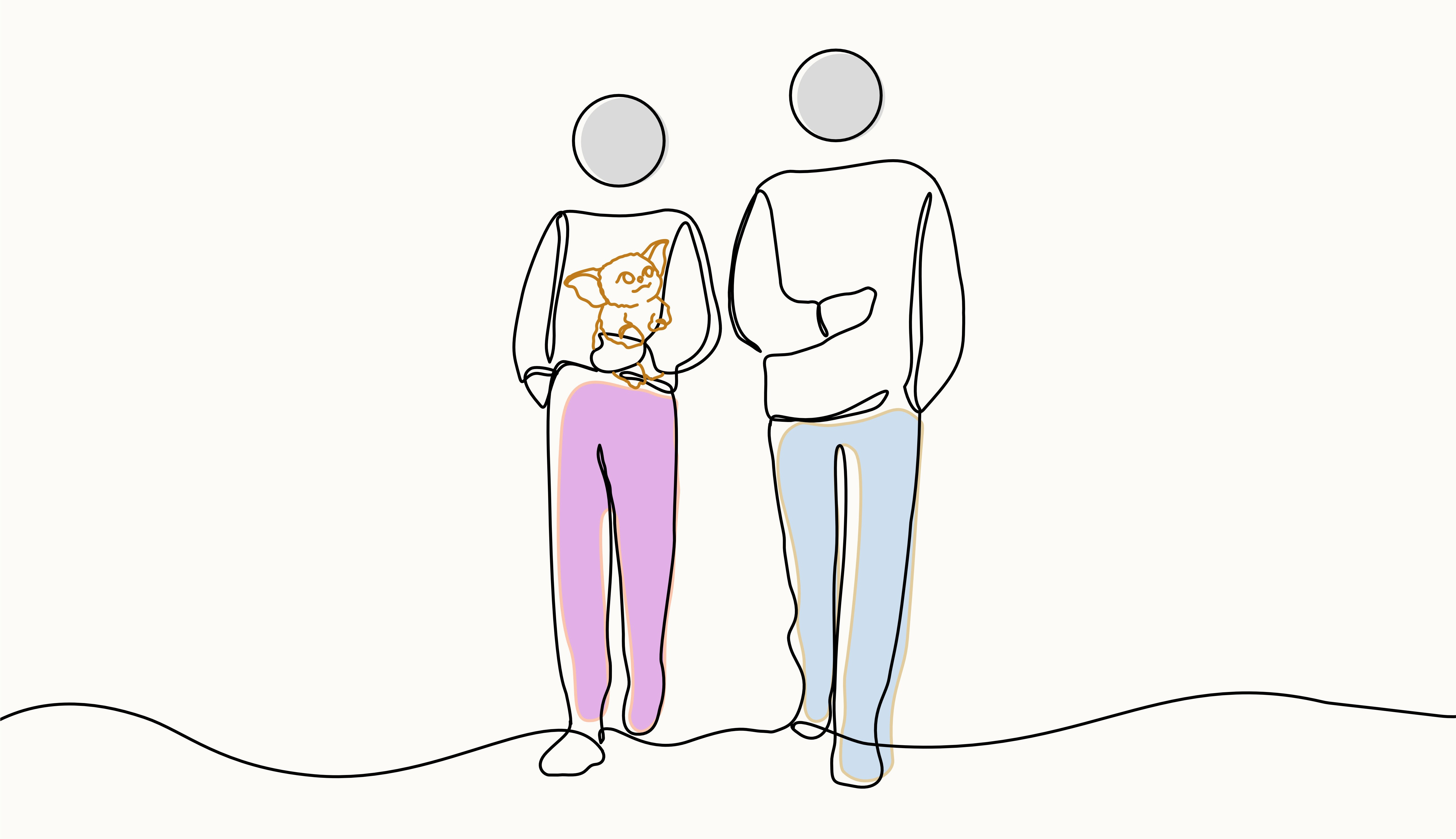
Back to the story: transparency in practice
I’ll now return to the story with Franz.
I’d handed Franz the gremlin, asked him for extra showings of love, and explicitly asked him not to change a thing about the connection he was excited about.
It went as I had hoped. He listened, offered reassurance, sent the extra lovey messages I requested, continued seeing the new person, and maintained honesty and transparency.
By choosing to hold my own feelings and ask for reassurance, the anxiety began to lose its grip. I did not need to manipulate the situation or build restrictive walls to feel safe. Instead, asking for support while the feeling passed helped my nervous system settle while allowing both of us to maintain our autonomy, and keeping my actions aligned with my values.
When we established that I had the capacity to hear about dates, he shared how they went and was honest that he had a great time. If there were times I was exhausted and wanted to wait before hearing updates, he would hold off until I was rested. Sometimes hearing these updates would cause temporary pangs of challenging feelings for me, but alongside them were strong surges of joy and love. It felt incredibly good to me that he was maintaining transparency during a time when many would be tempted to minimize the truth to dampen hard feelings.
The result was a connection that continued to feel honest, secure, and loving.
How this felt for Franz:
When Mollie first brought up that she was having difficult feelings about a new connection of mine, the way she introduced it made a big difference in how things unfolded.
Past relationship experiences have left me sensitive to the feeling of being restricted or subtly manipulated, which often prompted me to react defensively. But because Mollie made it clear from the start that she wasn’t saying I had wronged her, it was easier to listen with compassion without feeling guarded.
Without defensiveness, my next instinct was to try and make her feel better in any way I could. In the past, that urge might have pushed me to start preemptively ‘fixing things’ even though this would have felt bad to me. Here, it helped that Mollie explicitly asked me not to own her feelings or change my behavior.
With that clarity, being supportive felt straightforward: full transparency is my natural inclination, and I was glad it also made her feel more secure knowing I wasn’t trying to hide anything. I took extra care to check if she wanted details before sharing, and her positive reinforcement – even when hearing updates brought up a pang – helped a lot. Giving extra love and reassurance was easy because it came purely from care, rather than trying to make up for something I did wrong.
Overall, while I felt compassion for Mollie’s difficult feelings, they never felt like a threat to our relationship or a request to restrict my other connections. The gremlin thought framing made it easy to provide whatever support was needed while staying authentic to myself.
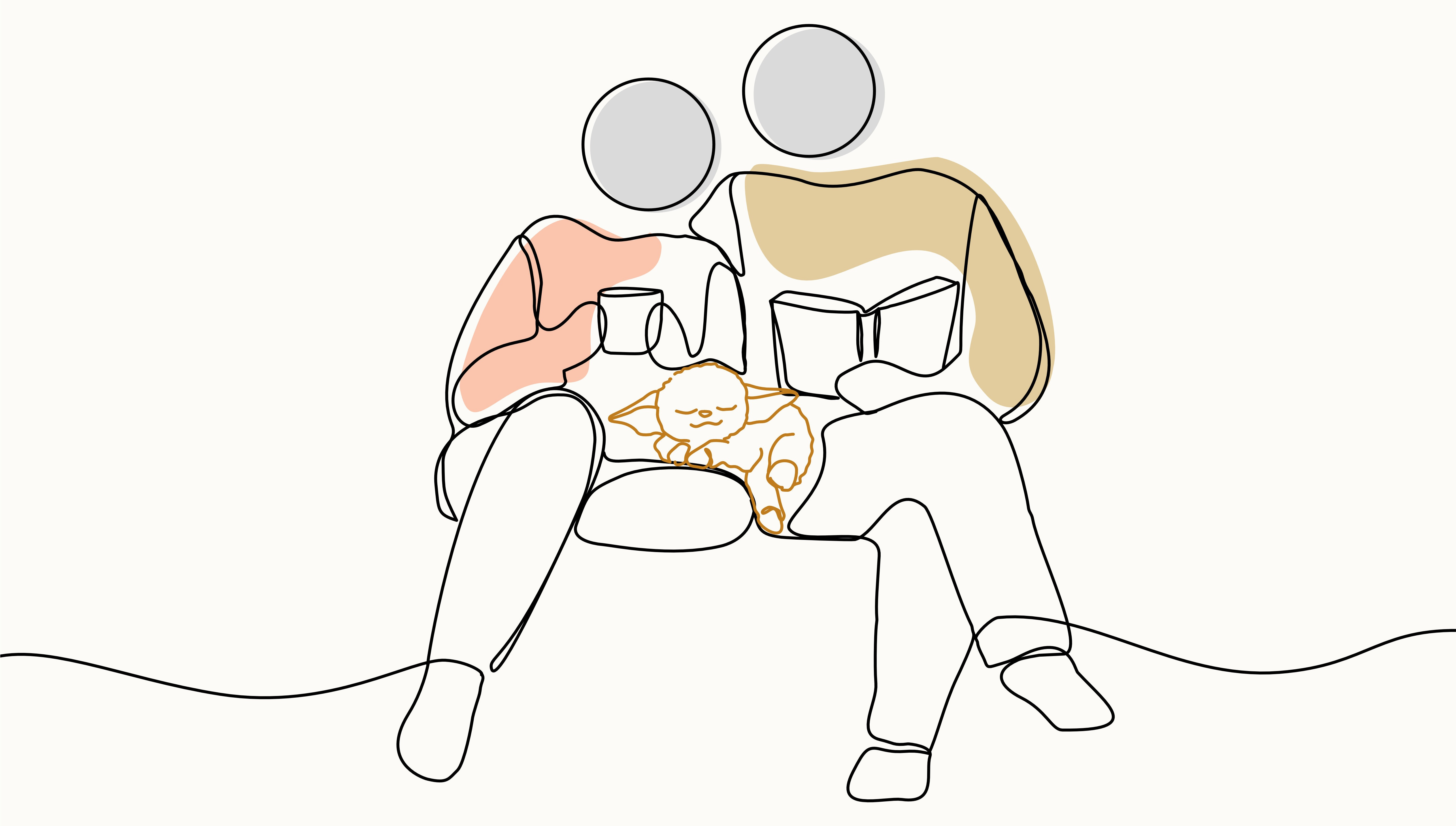
The reward of sharing gremlin thoughts
Navigating gremlin thoughts requires being vulnerable. It means admitting when the brain is manufacturing a crisis and suggesting actions that directly contradict your core values.
Refusing to hide these spikes helps keep a dynamic resilient. By bringing hard feelings and fears into the open, examining them without assigning blame, and asking for actionable support, the discomfort becomes a tool for connection rather than a wedge.
One last thing: the goal is not necessarily to kill the gremlin. The goal is closeness.
It’s tempting to treat all of this as a procedure for forcing the bad feeling to leave. It isn’t. Plenty of times I’ve shared a gremlin thought, gotten exactly the care I asked for, felt genuinely held, and the gremlin was still there for some time. The gremlin going away is not a prerequisite for achieving closeness. Naming it helps either way, though!
Over time, gremlin thoughts tend to lose their sharpness. Some go away entirely. Others ebb and flow as new experiences bring them back around. Either way, they get easier to meet, until eventually one shows up and you think, oh, it’s you again, and you already know what to do.
A relationship where the messiest, most uncomfortable parts of the brain do not have to be hidden is a relationship where it is possible to rest.
Before you go
What are your stories?
Want to share your own gremlin thought stories? I am working on a community stories post on this topic. If you have had an experience that you think folks could learn from, please share it here!
Additional resources
Crucial Conversations: this is one of my favorite books of all time. It details why we should bring up the hard conversations rather than let them simmer, and gives a lot of helpful guidance on how to maintain a safe space while you do it!
Multiamory HHALTDS episode: where they discuss HALT and HHALTDS.
Handle with care
Any framework that gives people language for hard feelings can be turned around and used to shut those feelings down. Here are the ways I can see that happening with gremlin thoughts, whether it’s someone else doing it to you or you doing it to yourself. I’m hoping that by naming it, it will help folks keep an eye out for it in the wild!
You name your own gremlins; nobody names them for you. Gremlin thoughts are yours to name for yourself. The moment someone else informs you that what you’re feeling is a gremlin thought, it has stopped being a tool for getting your hard feelings out and become a tool for getting them dismissed.
Reassurance is not a substitute for repair. Gremlin thoughts come with a built-in “you don’t need to change anything.” That’s the right ask for a gremlin, but it should not become a listener’s default. Watch for the person who dismisses or ignores an ask and reaches for only reassurance.
Watch for preemptive gremlins. Are you calling it a gremlin thought because it is one, or because “gremlin” feels like a friendlier or less frightening word than “concern”? If you find yourself opening with “this is probably just a gremlin thought, but…” every single time, notice it. Ask yourself if you’re brushing off your own feelings.
Be wary of the self-blame trap. I mentioned this above in the diagnosing gremlin thoughts section, but it’s worth restating here. If your default internal narrative is that you’re always in the wrong, this framework will only help you confirm that. Go looking for gremlins and you’ll find them everywhere, including in the places where something real happened. Build self-trust first! Come back to this later. <3
If you see this being weaponized in other ways, please let me know so I can keep this updated!
Franz read this before publication and okayed everything I’ve shared about him.
Art in this post made by Adora.