

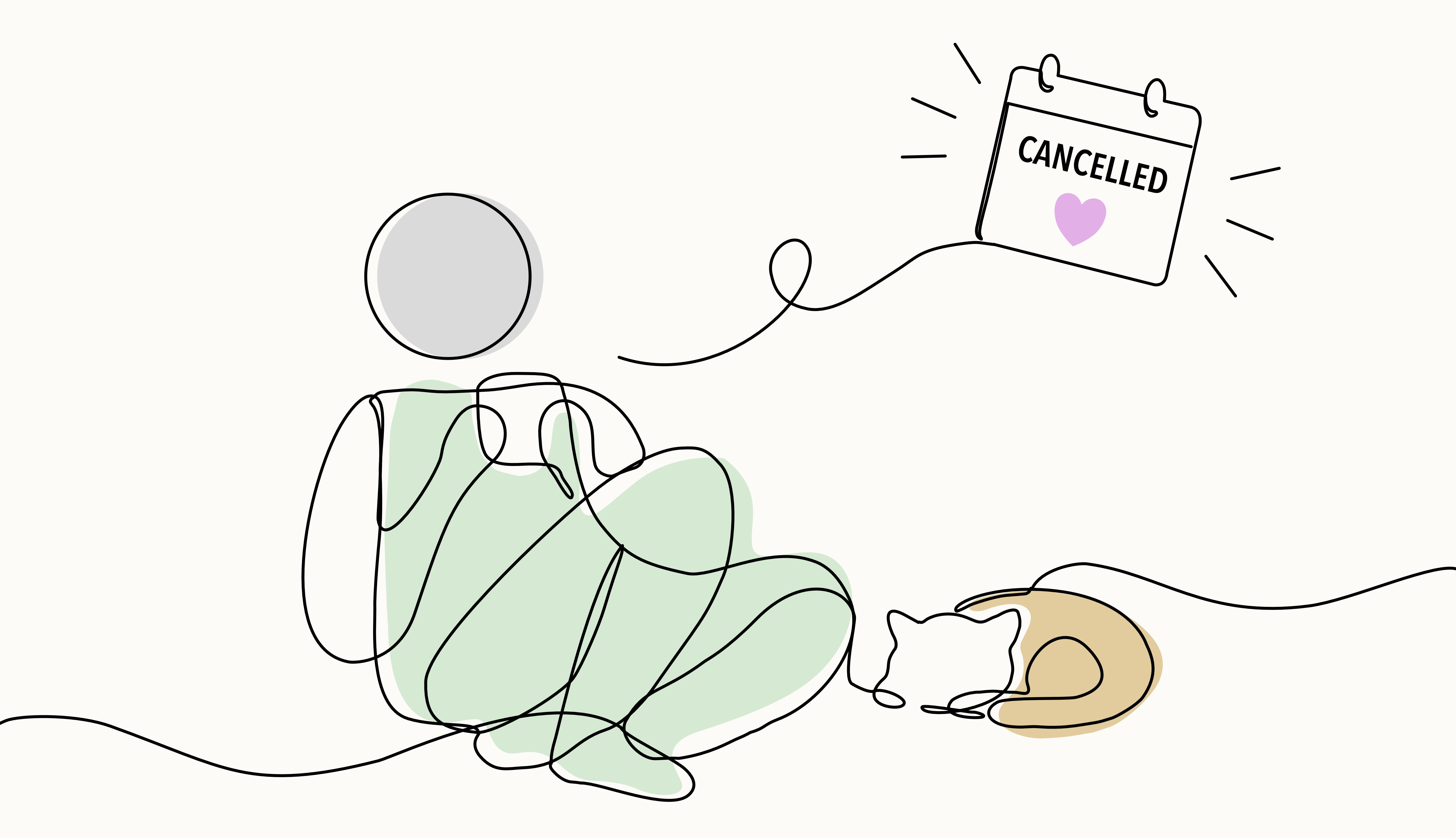
Whenever I start getting closer to a new person, I tend to give them a series of spiels about me and how I operate that is different from our cultural norm. One of them is that I encourage them to cancel on me when they need to. In turn, I ask for the same freedom for myself.
I do this because I want to be able to trust completely that when someone shows up for me, it’s because they want to be there. Not because it’s on the calendar. Not because they feel guilty about backing out. But because being with me is something they still very much want to do. :)
That kind of trust isn’t standard. A big reason for that is that we live in a culture that tends to treat cancelled plans as a personal slight.
This pressure can drive us to do dishonest things when we’re the canceller. For example… Have you ever told your friends you were staying home because you were sick, when in reality you were just tired and did not feel like going out anymore? Or… have you ever secretly hoped to get sick, just so that you would have a “valid” excuse to stay home?
I can remember a specific example where I woke up not feeling well the morning I was supposed to leave for a big weekend trip. My immediate, overwhelming feeling was relief. I was relieved because I had been feeling stressed about unrelated things and I had a desire to stay home and chill. Being sick gave me a socially bulletproof reason to do just that. That reaction is a symptom of a system where it’s normal to make our friends feel guilty or bad for canceling on us.
What if we flipped that script entirely? What if we actively encouraged the people we love to cancel on us?
If we care about someone, we should want them to do the thing that is best for them. Sometimes that means staying home for a night of rest. Other times, it means seizing a rare opportunity.
Real-world example: The introvert adjustment
The desire to see the people we care about should not supersede their need for rest.
I’d like to tell you a story about me and a former partner and still a very important person in my life. I will call him Kev.
Kev is a fairly introverted person and prefers to have a significant amount of alone time. There are times where he does not have the energy to be around other people. (I think this is actually true of all of us; it just happens more with some.) There was one specific evening when we were partnered where we had plans to hang out. As the night went on, it was more and more clear that he lacked the social bandwidth for the evening. He was mostly internal facing. He got quieter, his answers got shorter, and he seemed not fully bought into being there. It started to feel as though he would have preferred to not be there.
When I brought this up with him later, I learned that he honored our plan mostly because it was on the calendar.
That evening stuck with me. I kept turning it over afterward, and I realized the thing that bothered me wasn’t that he’d needed rest; it was that he didn’t feel like he had permission to take it. I realized I never wanted Kev to feel forced to show up for me or spend time out of obligation.
So, I came up with a suggestion.
I gave him full, explicit permission to cancel on me at any time. If he realized he did not have the capacity to be around people, I wanted to know that, and I wanted him to take the alone time he needed. I assured him this would be a completely okay and safe thing to do.
A few weeks later, he canceled on me at the last minute because he realized he lacked the bandwidth. I told him it was no problem. I made other plans, I had a great night doing something different, and he got the rest he needed. It was incredibly freeing.
He still cancelled pretty infrequently. He didn’t use it as a pass to make plans carelessly, but rather a safety valve for when his bandwidth did not match his calendar. Going forward without this obligation to show up because a plan exists, the time we spent together was intentional and wanted. <3
The opportunity cancel
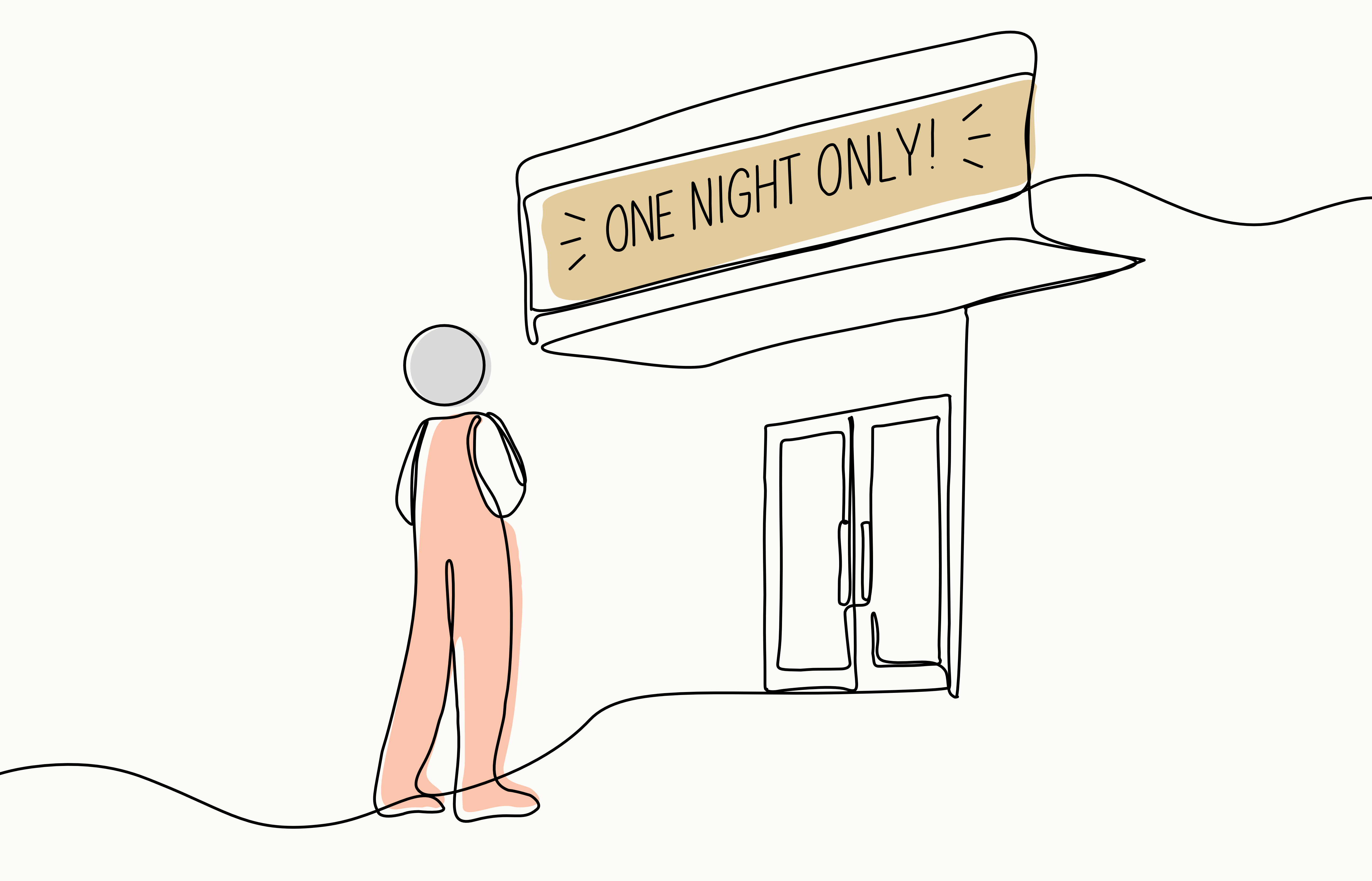
Sometimes a cancellation has nothing to do with low bandwidth. Someone might get invited to something they’re really excited about, but that happens to conflict with a standing plan. There’s a whole different layer of fear wrapped around this kind of cancellation.
The cultural default seems to be for people to hide this desire. Or in some cases, change plans anyways, but lie about why. This often comes from a place of fear. A fear that the receiver of the cancellation will feel bad and/or react badly. A fear that they will feel hurt or like a second-place option.
If we want the people we love to get to seize the opportunities that light them up, they will be more likely to do this if we make it explicitly safe to tell us about them.
If you’re the one who might want to cancel for something else
Now I’m going to flip to the person who is cancelling in this situation. I find that in situations that are hard to articulate well, it can be helpful to have a script!
Assuming the event is something that you’d also be up for the person coming along with, you could say something like:
“Hey, there’s this cool event I’d like to go to. Do you want to come? If not, I’d love to still go and raincheck our plans. I’m still excited to hang out with you! What do you think?”
This is honest, includes an offer of inclusion, and gives assurance that there is still excitement to spend time with the other person. It sends the signal that the connection isn’t being deprioritized. The evening is.
And if it’s an opportunity you can’t or don’t want to extend, that’s ok, too! You can still be transparent without offering an invitation
“Hey, something came up that I’d really like to do instead of our upcoming plans. Can we raincheck? I’m still excited to see you!! Would x or y day work instead? Let me know!”
The point is about keeping things honest.
Back to the receiver
Your reaction is what makes honesty feel safe. Or not. The easier you make it to tell you the truth, the less likely they are to quietly resent the plan or hide future opportunities from you instead.
This doesn’t necessarily mean not having feelings about it. One can have feelings and support the other person in their decisions. (See Gremlin Thoughts: when you feel bad and nobody did anything wrong.)
Capacity vs disrespect
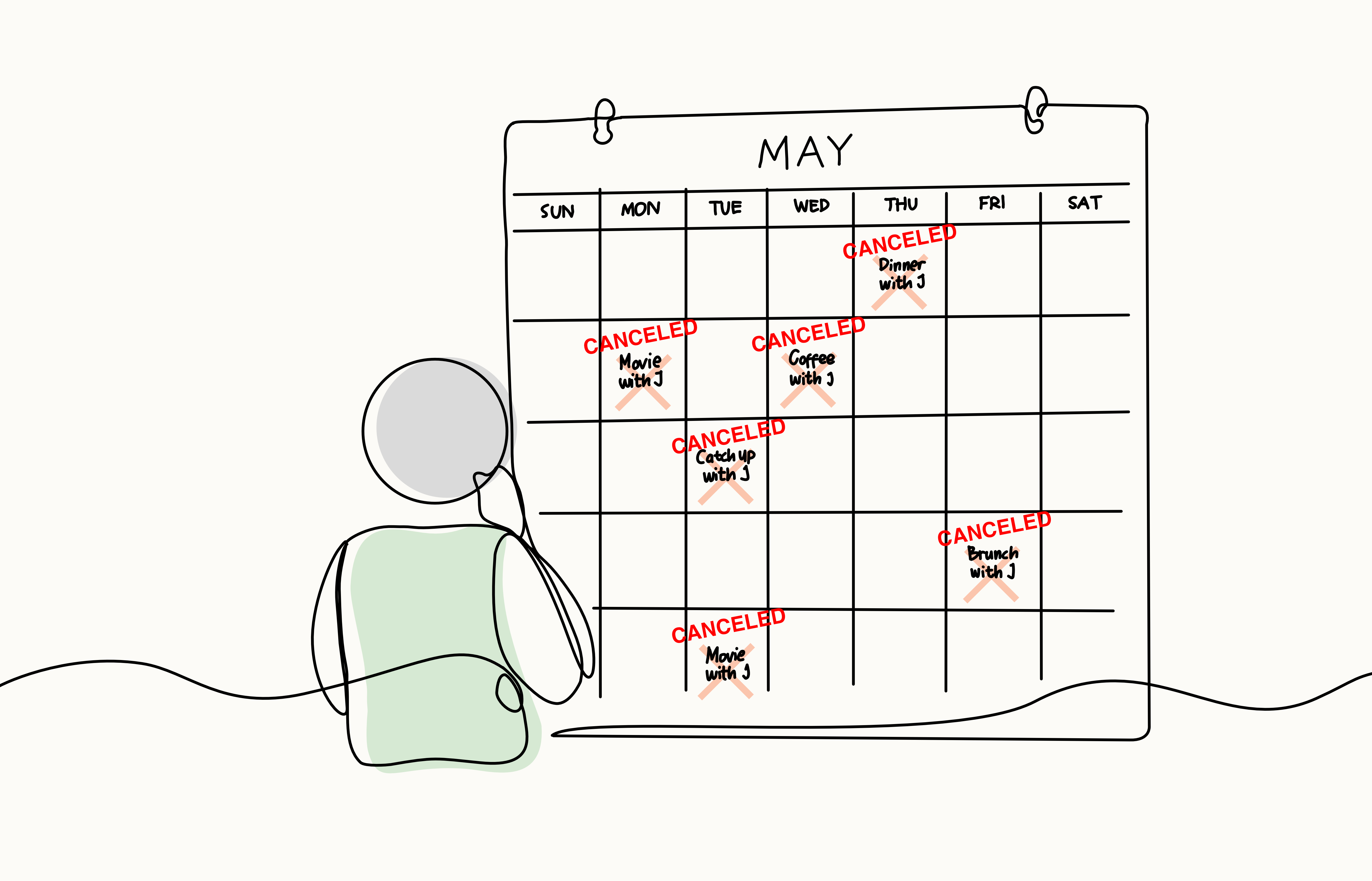
Giving people explicit permission to cancel is powerful, and it also comes with a vulnerability. It can easily be weaponized by avoidant people as a free pass to disrespect your time and evade commitment.
I once dated someone who routinely made plans seemingly knowing they would be unlikely to follow through. They regularly waited until just before we were supposed to meet to cancel rather than reaching out earlier in the week when they realized it wouldn’t work for them. And they did this over and over again.
That is less about someone honoring their capacity, and more about them failing to manage their own schedule and/or failing to communicate honestly.
That said, in my experience, this has been rare. The people in my life often find it reassuring to know the option to cancel is there should they want to exercise it, but most don’t feel the need to reach for it all that often.
This kind of flexibility works best when it’s rooted in direct and honest communication, and when there is a mutual respect for the other’s time and energy. And if someone doesn’t hold up their end of that, I like to see it as information I’ve learned about them, and about how they show up.
If someone consistently cancels on you like this, you get to decide what to do with that information. If spending time with this person still feels like a net positive to me, I’ll often keep planning with them, but treat the plans as tentative and go in expecting the plan is likely to get cancelled. Other times, I’ll stop being the one to suggest plans, and see if they ever do.
Planning tentatively during times of low bandwidth
One thing I’ve noticed about myself is that it becomes incredibly difficult for me to estimate my future energy and capacity during periods of time where I’m stretched thin and have less capacity in general. This makes planning feel difficult, and often quite stressful.
When I start noticing planning feels stressful to me, I take it as a sign that I would benefit from letting my friends know this, and asking that our plans be tentative during this period of time.
I might say something like:
I’m noticing I’m pretty low bandwidth at the moment and planning currently feels stressful to me. Until things clear up, I’m only making tentative plans with people. My ask would be that we plan to check in the day before or that day and confirm. If this works for you, then I’m still excited to plan something! :)
This is the opposite of the approach mentioned directly above. Instead of quietly making plans I have lower-than-average confidence in, I’m naming the uncertainty upfront and letting the other person decide if that works for them. This keeps things honest and clear and makes it possible for me to make plans during a time where planning is otherwise quite difficult.
It also signals that this is a personal bandwidth issue, and not about them. If the person is uninterested in tentative plans, that’s also ok. The point is it signals clearly what I’m able to give, and allows others to opt in or not.
What is the alternative?
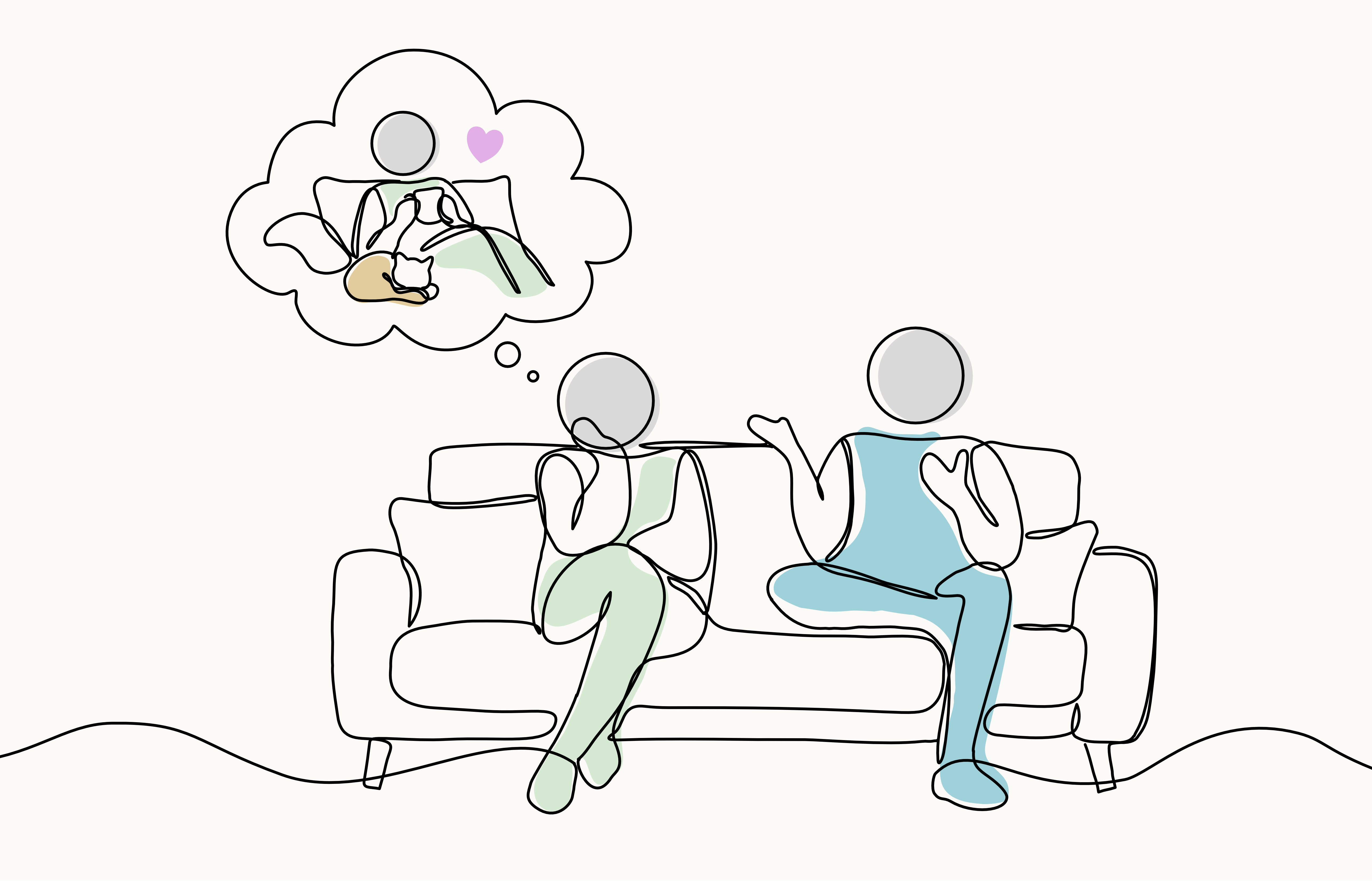
It is easy to feel a pang of rejection when someone cancels. And it is worth considering the alternative.
If a “no” is not safe, the alternative is that the person will sometimes keep their plans purely out of obligation. They show up and give their time despite it not being what they want to do. And in some cases, despite them being fully out of energy and bandwidth.
This forces a very blunt question. Do we want the people we love and care about to spend time with us when they do not want to be there?
Expecting someone to prioritize my scheduled desire for their company over their own well-being treats the people I love into need-meeting machines. It demands that they show up to manage my insecurities.
When I give people explicit permission to cancel, I am honoring my core desire to support the people I care about in doing the thing that feels best for them.
And the reward for this is absolute trust. When a “no” is an explicitly safe option, I can trust that a “yes” means they genuinely have the energy and desire to be there.
A “please cancel on me when you need to!” script
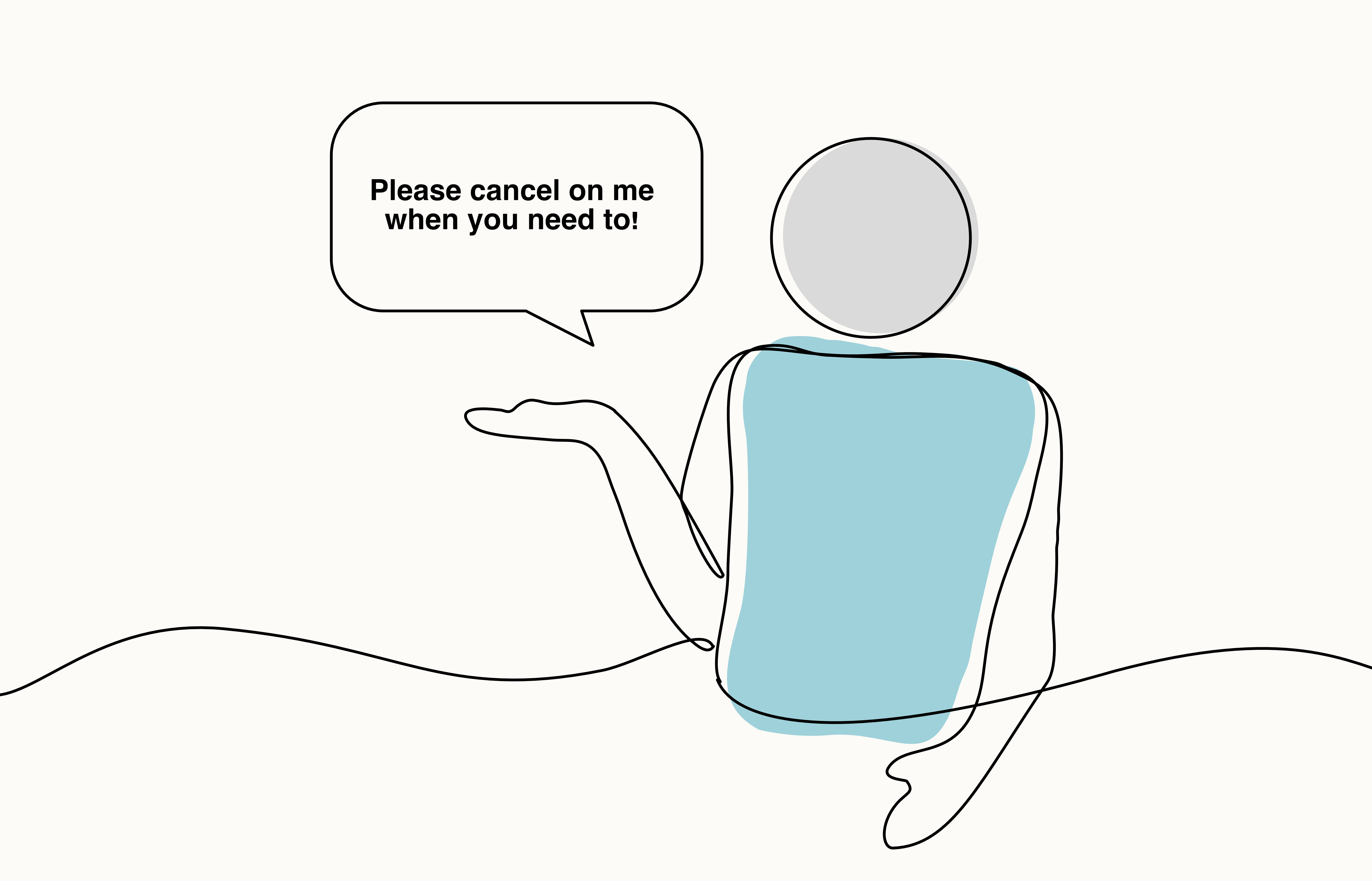
Do you want to start encouraging your friends to cancel on you? Here’s a helpful script you can follow! Or, you could even just send them a link to this section and tell them this is how you feel. 🤗
Dear friend,
I would like to encourage you to cancel on me when it’s what you’d like to do. This could be because you need rest and alone time, or it could be because an exciting opportunity arose that you’d like to do instead. I want you to show up to spend time with me not out of obligation, but because you want to be there. If you ever want to adjust our plans, please tell me!
The main thing I’m asking for here is honesty. If canceling starts happening because something about our plans or dynamic isn’t working for you, I’d like to know that too, so we can talk about it.
I want this to go both ways. If I ever need to cancel on you, I hope you’ll extend me the same grace.
I’m curious to hear how y’all would personalize this for you. Post in the comments! 💜
Gift of the cancel
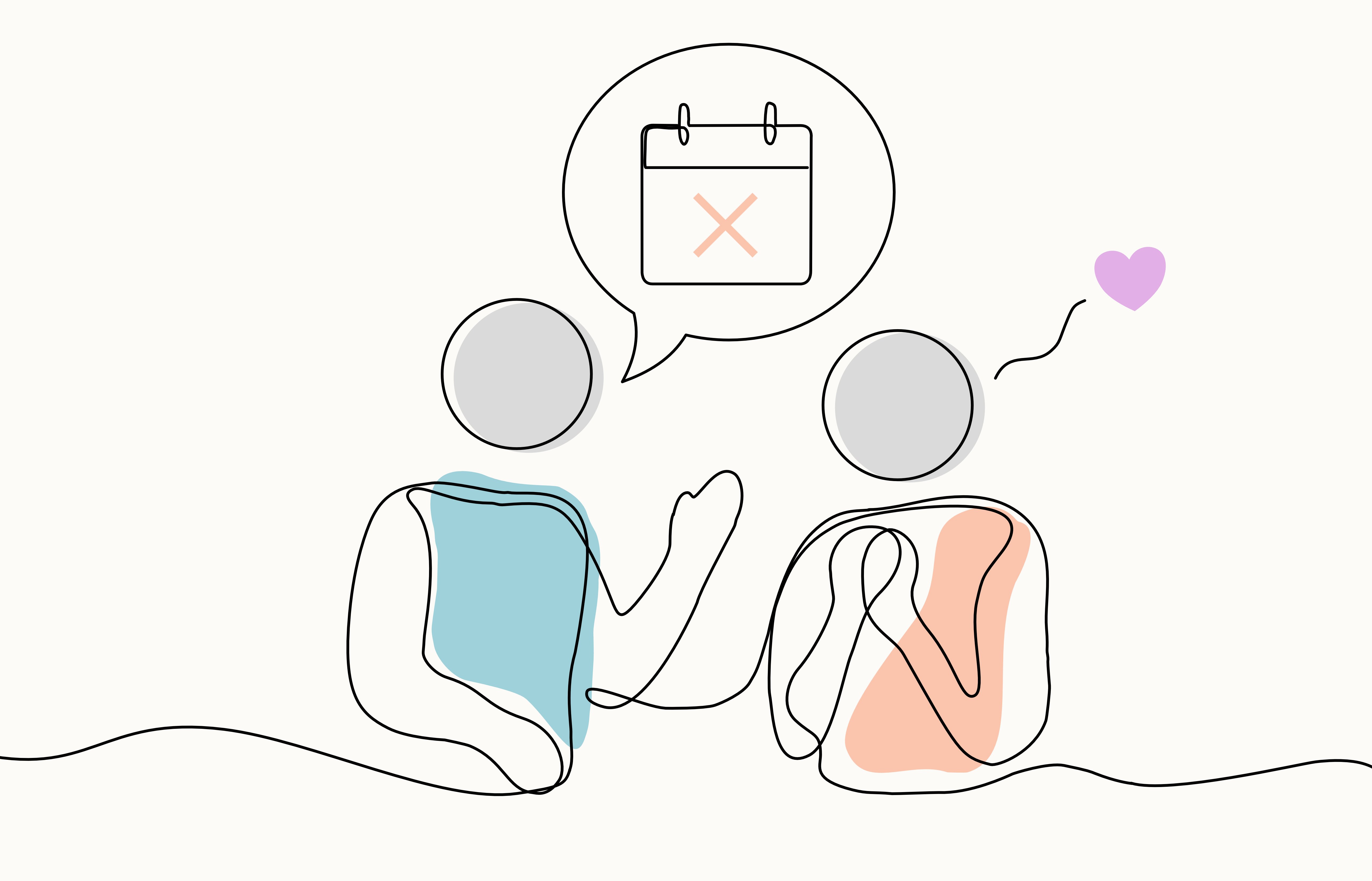
And all of this is about more than just calendars and planning.
Creating a dynamic where cancellations are explicitly safe is a way of honoring someone’s autonomy. It helps to remove the anxiety one might feel about cancelling, along with the need for anyone to show up when their social battery is empty. People are less likely to show up out of guilt.
I want the people in my life to be fully themselves around me. I want to encourage them to show up with me when it feels good, rest when they need to, and chase exciting opportunities. The goal is not to secure someone’s time. It is to find where our wants genuinely overlap, and let go of the rest.
Part of getting there is learning to receive a cancellation as a gift, not a loss. It means someone is doing what’s genuinely best for them. And when people feel safe to cancel, the time we do spend together is more likely to be a fuck yes, from both of us. <3
Before you go
How do you handle this?
Do you already have a version of this in your relationships, whether that’s a spiel, a standing agreement, or just an unspoken understanding? Or is this something you’re going to try out for the first time?
Tell me in the comments, or send me a message!
Art in this post made by Adora.